
We always hear about “good” and “bad” foods. Sometimes, we crave a food that is not necessarily “good” for us, or we are in a pinch and need to eat something convenient. That is okay. All foods have nutrients, some are more nutritious while others are not.
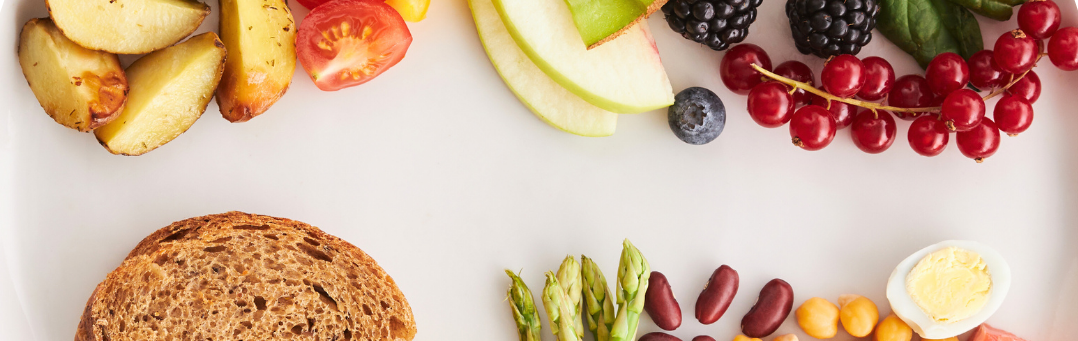
The “good” foods are the foods that are nutrient-dense. These are typically your whole foods like whole grains, fruits and vegetables, and your lean proteins. These offer more nutrients per serving, even bite.
We are bombarded with information stating that these foods are the best, “Top 10 Nutrient Dense Foods, ” or “Try Adding These Foods Into Your Daily Routine, ” etc. While this information may be informative and current, sometimes it is hard to listen to all these headlines and make decisions that are best for yourself and your family.
We have preferences, and these can include the not-so-nutrient-dense foods. Think about how often you eat something; is it every day? Multiple times a day? Or occasionally? These questions can help you understand what your current eating patterns are.
Now, look at the quality of the food; is it a whole food, such as a fruit or vegetable? Is it a convenient food like a protein bar or a snack bag of chips?
You should go for the whole food option most if not all the time. However, sometimes we have cravings. You should not ignore your cravings. Cravings can stem from many things, like seeing an advertisement, not having something for a long time and thinking about it, or even an emotion.
Give in to that craving with intention. Intention to be satisfied after a portion of the food. Be mindful of how often these cravings are happening and how often you are consuming that food. Think about the quality of the food as well.
Even the convenient foods have nutrients. Think of a bowl of cereal with milk. You are getting protein and vitamins from the milk, lots of carbohydrates and some fiber from the cereal (depending on the type of cereal). Some will have more fiber and less sugars while having quality carbohydrates such as Bran Flakes or Honey Nut Cheerios.
You are getting short-term energy from some of the carbohydrates and sugar, long-term energy from fiber and even longer-term energy from protein. Indicating, all foods have nutrients.
Takeaways: Understanding that all foods do have nutrients. They will give you different lengths of energy. Understand how often you are consuming “good” or “bad” foods. What are those foods. And, cravings, give into them so you do not over indulge in the future.